
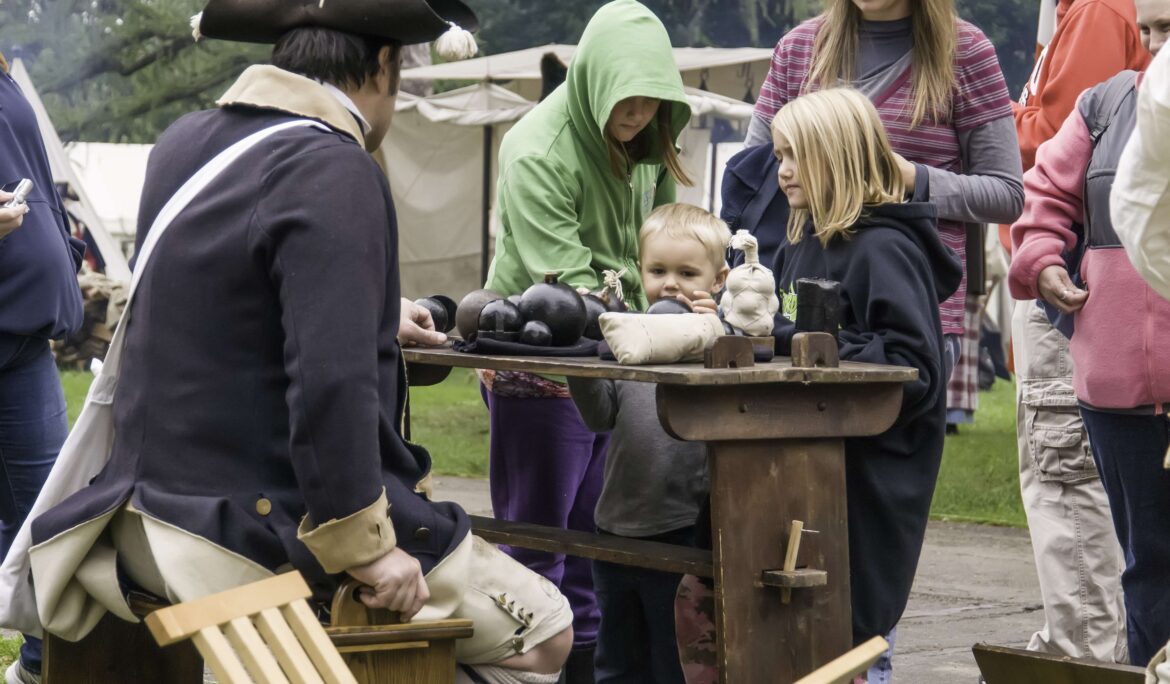
The Tom McCall 100th birthday party was a public event that showed how people remembered political figures through social events and historical symbols. The event was more like a structured celebration than an official state ceremony. It was all about remembering McCall’s impact, personality, and place in Oregon’s political history.
Background of Tom McCall and the Anniversary
Tom McCall was born in 1913 and later became one of the most recognizable political leaders in Oregon. By the time his 100th birthday anniversary approached, his reputation had already been shaped by decades of public discussion, media coverage, and historical evaluation.
The centennial anniversary was treated as a symbolic moment. It was not only a reminder of McCall’s birth but also a reason to revisit his public image. Organizers framed the event as a reflection on leadership style, environmental policy, and political communication during his era.
The celebration took place many years after McCall’s death. Because of this, the tone of the event was retrospective. Participants did not expect new political messages. Instead, they focused on memory, storytelling, and shared interpretation of the past.
The chosen format was informal. A social space was chosen instead of a government building or school hall. This choice showed how people often remembered McCall: as a public figure who was both powerful and approachable.
Structure and Format of the Celebration
The Tom McCall 100th birthday celebration was organized as an evening gathering with multiple activities. The event blended entertainment, historical reference, and audience participation.
The schedule included speeches, music, and themed elements. Historical content was delivered in a light format, avoiding academic lectures. The intention was to engage a wide audience, not only historians or political experts.
Several elements defined the structure of the celebration:
- Short talks that recalled specific moments from McCall’s career.
- Live music that matched the informal tone of the evening.
- Themed clothing encouraged but not required.
- A social atmosphere rather than a formal commemorative ritual.
This format allowed participants to move freely, talk, and interact. The event functioned as both a remembrance and a social gathering.
Use of Political Image and Symbolism
The celebration used a lot of symbols to represent things. The media, speeches, and gestures that people knew about all helped shape Tom McCall’s public image. People talked about these things all through the event.
Speakers talked about McCall’s strong opinions and way of talking. Stories showed times when he stood up to powerful people or directly addressed public concerns. These stories didn’t give us any new ideas; they just reinforced what we already knew.
The event did not attempt to critically analyze policy outcomes in detail. Instead, it emphasized personality and leadership tone. This approach matched the celebratory nature of the occasion.
Symbolism appeared in visual elements and language. References to historical photographs, well–known quotes, and public appearances helped anchor memory in shared cultural material.
Role of the Audience and Participation
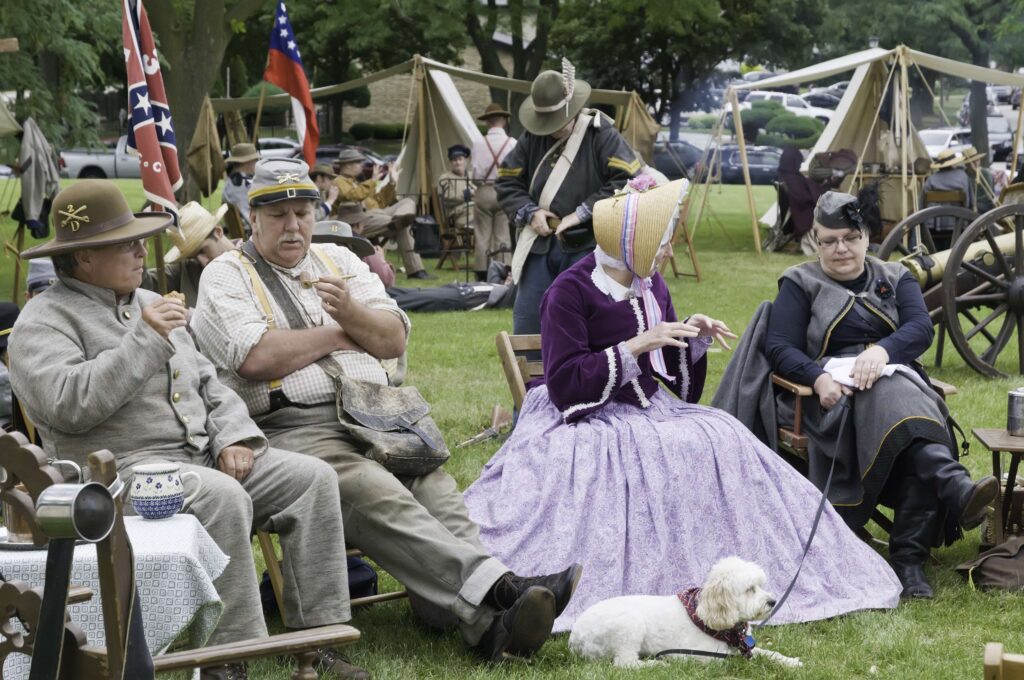
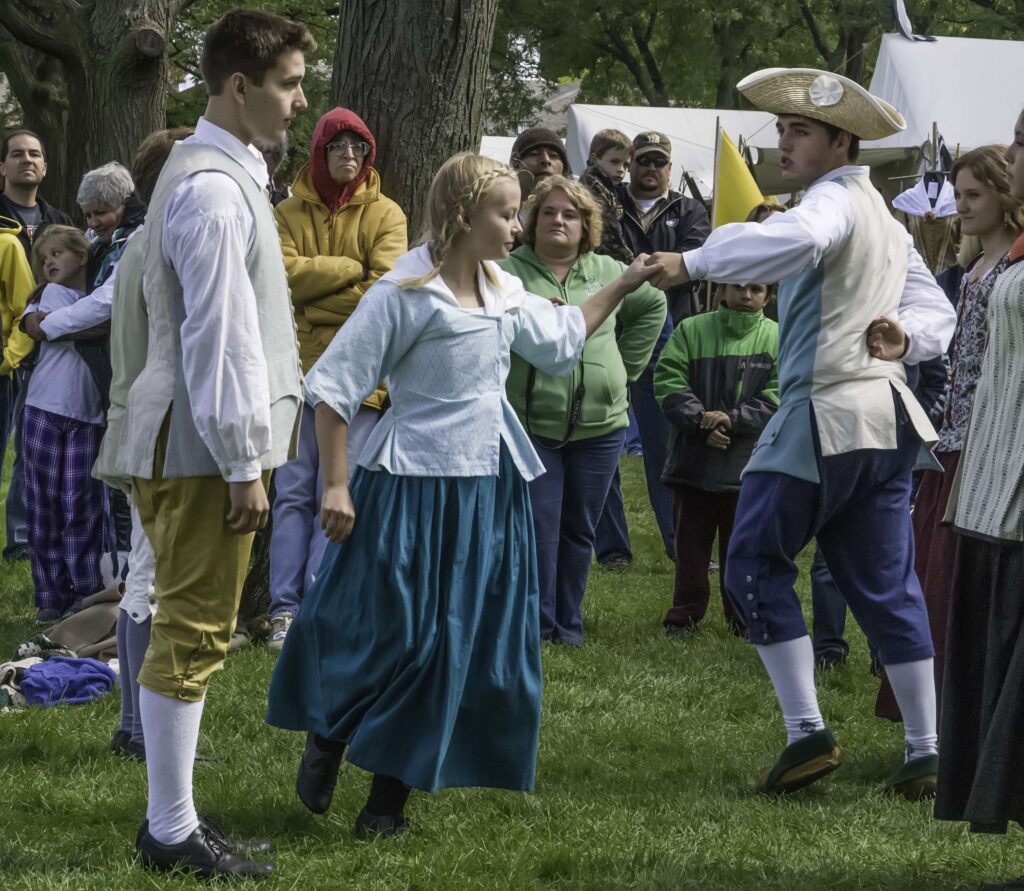
Audience participation played an important role in the Tom McCall 100th birthday celebration. Attendees were not passive listeners. They contributed through costume choices, informal discussion, and reactions to performances.
The event encouraged engagement by reducing distance between speakers and audience. There was no elevated stage barrier separating participants. This layout supported conversation and collective memory.
Forms of participation included:
- Wearing clothing inspired by historical periods associated with McCall.
- Taking part in discussions sparked by short speeches
- Reacting openly to humorous or critical remarks.
This approach transformed the celebration into a shared act of remembrance. Memory was produced collectively, not delivered from a single authority.
Historical Context of Political Commemorations
The Tom McCall 100th birthday party was part of a larger tradition of political anniversaries in the US. These kinds of events often had a mix of fun and respect. They wanted to keep historical figures important without putting them in a formal setting.
Anniversary parties were more flexible than official memorials. The people in charge could change the tone, place, and content. This made it easier to get a wide range of people to come.
The informal structure fit with McCall’s public image. People remembered him as someone who spoke his mind and did things differently. A strict ceremony would not have shown this image correctly.
The event also showed how people’s memories of politics changed over time. By the time of the 100th anniversary, what McCall did was part of history, not an active debate. This distance made it easier to remember in a more relaxed way.
Cultural Meaning of the Event
The celebration served as a cultural signal rather than a political statement. It indicated that McCall remained a reference point in regional identity. His name still carried meaning decades later.
The event did not aim to influence policy or public opinion. Its goal was to be recognized and to continue. By remembering McCall’s legacy, the participants reaffirmed the historical stories they all knew.
This type of event demonstrated how political figures transitioned from active leaders to symbolic figures. Memory replaced policy. Story replaced argument.
The Tom McCall 100th birthday celebration showed how history could be presented through social experience. It was not archived only in documents but also enacted in public space.